

The southernmost tip of the Peninsula of Baja California is known by several names: Land’s End, Finisterra, the Arch of the End of the World and, the oldest name of all: Yenekamu.
The indigenous people of this land were known as the Pericúes. They called it “Yenekamu,” a name that encompasses the various meanings and references described earlier.
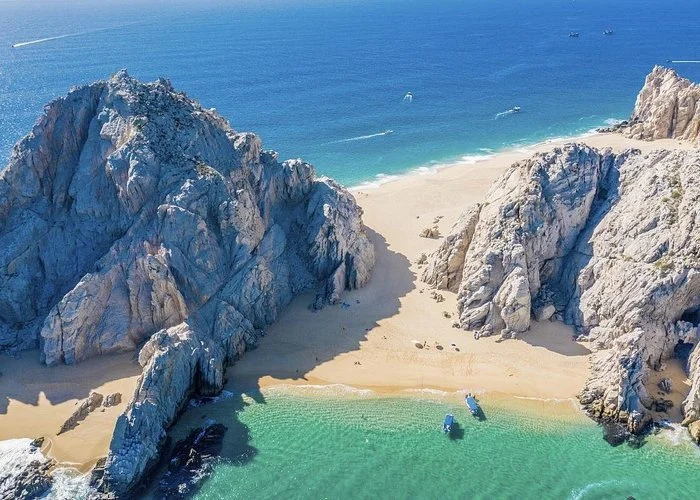
The southernmost tip of the Baja California Peninsula, where land meets the sparkling Sea of Cortez and the Pacific Ocean.
Although these people no longer exist today and left no descendants or conclusive evidence of their existence, several words derived from their ancient dialect still persist in our vocabulary.
It is very interesting to acknowledge that just in front of this piece of land, along the mainland beach, there is a mouth of a dry river with a small lagoon and some wetland vegetation, which was once the main settlement of the Pericues.
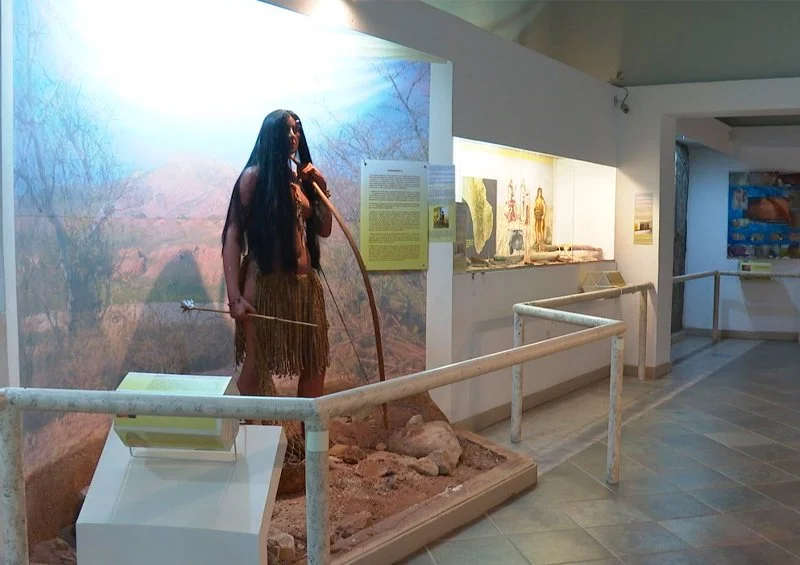
Pericú woman, according to the first spanish navigators disenbarking at the peninsula in 1530´s.
The settlement consisted of little more than a compact cluster of thatch canopies supported by sticks and stones, where the people lived, worked, and struggled to survive.
They call the riverbed and the pond “Salto Seco” in Spanish, which literally means “dry jump.”
Before the construction of all the resorts that now surround the area, the estuary teemed with life — it held far more water, lush vegetation, abundant wildlife, and plentiful fish. The Pericú people called their home “Alikan,” a name that in English translates to “the snakes’ nest,” a reference to the many rattlesnakes, coral snakes, and other serpents that once thrived there.
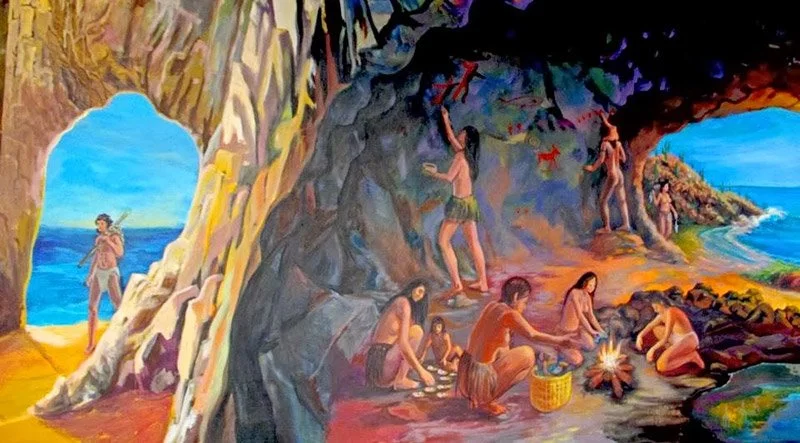
Life for Pericú families was not easy; however, over generations they developed remarkable skills for hunting, fishing, and gathering wild fruit, allowing them to survive and even thrive in some of the region’s most extreme environments.
It is said that when they were building one of those resorts in the area and digging into the earth, they uncovered a number of artifacts such as figurines and tools made by the Pericúes and perhaps other tribes that passed through the region. They also found clay urns containing human bones. It is believed that these peoples practiced burial ceremonies similar to those of other prehispanic cultures in Mesoamerica.
For these findings, the area must have been declared an archaeological zone and placed under the protection of the corresponding federal authorities; however, the authorities ultimately decided to prioritize the development of this important project in order to support and boost the Mexican economy.
So, if you have the chance to stay at any of the resorts facing the rocky shores of Land's End, lift your gaze, contemplate the small lagoon by the beach beside you, and imagine how deeply and meaningfully that place once mattered to the local villagers.
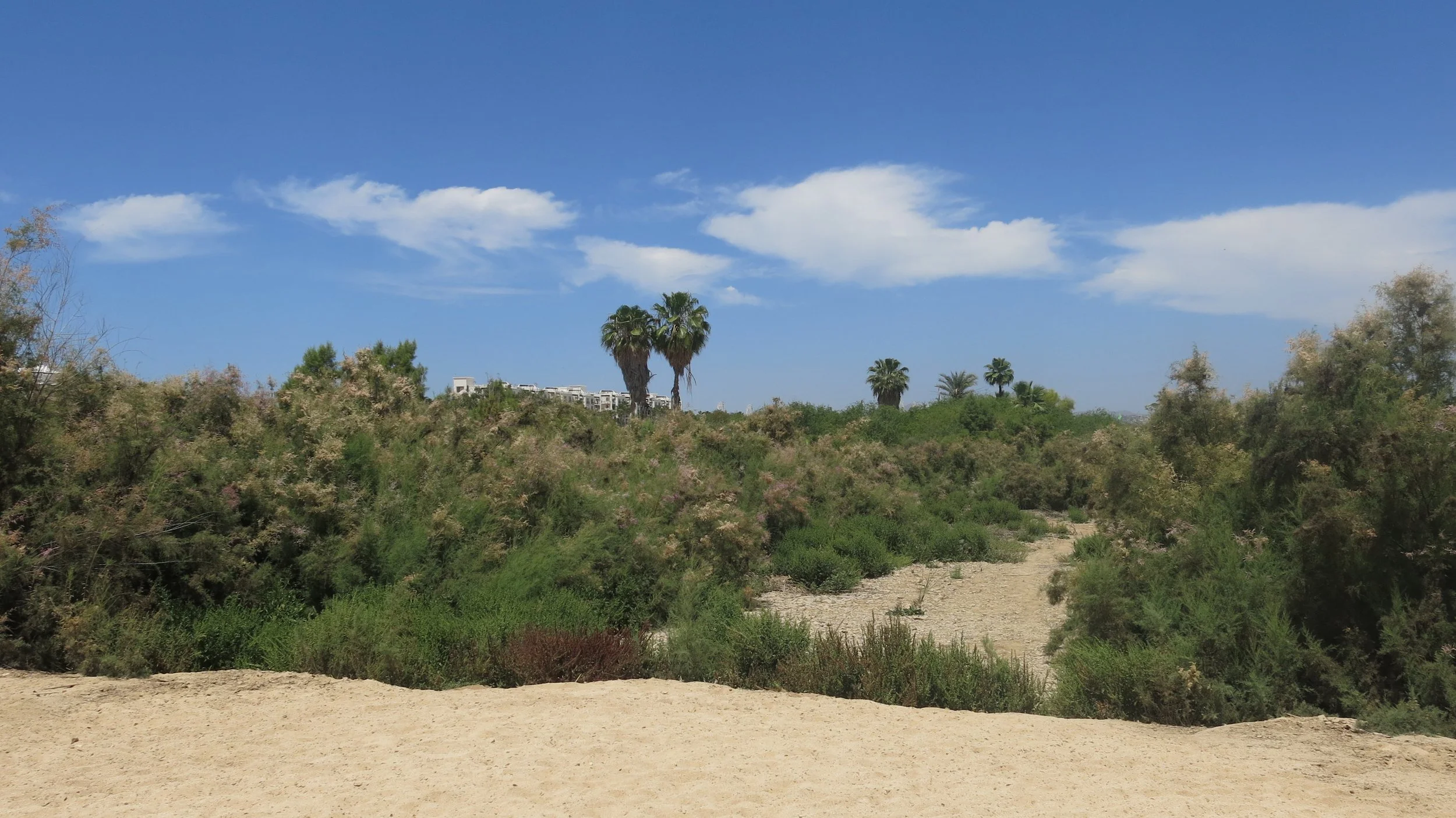
In a good rainy season, this area’s floods bring an abundance of migratory waterfowl.
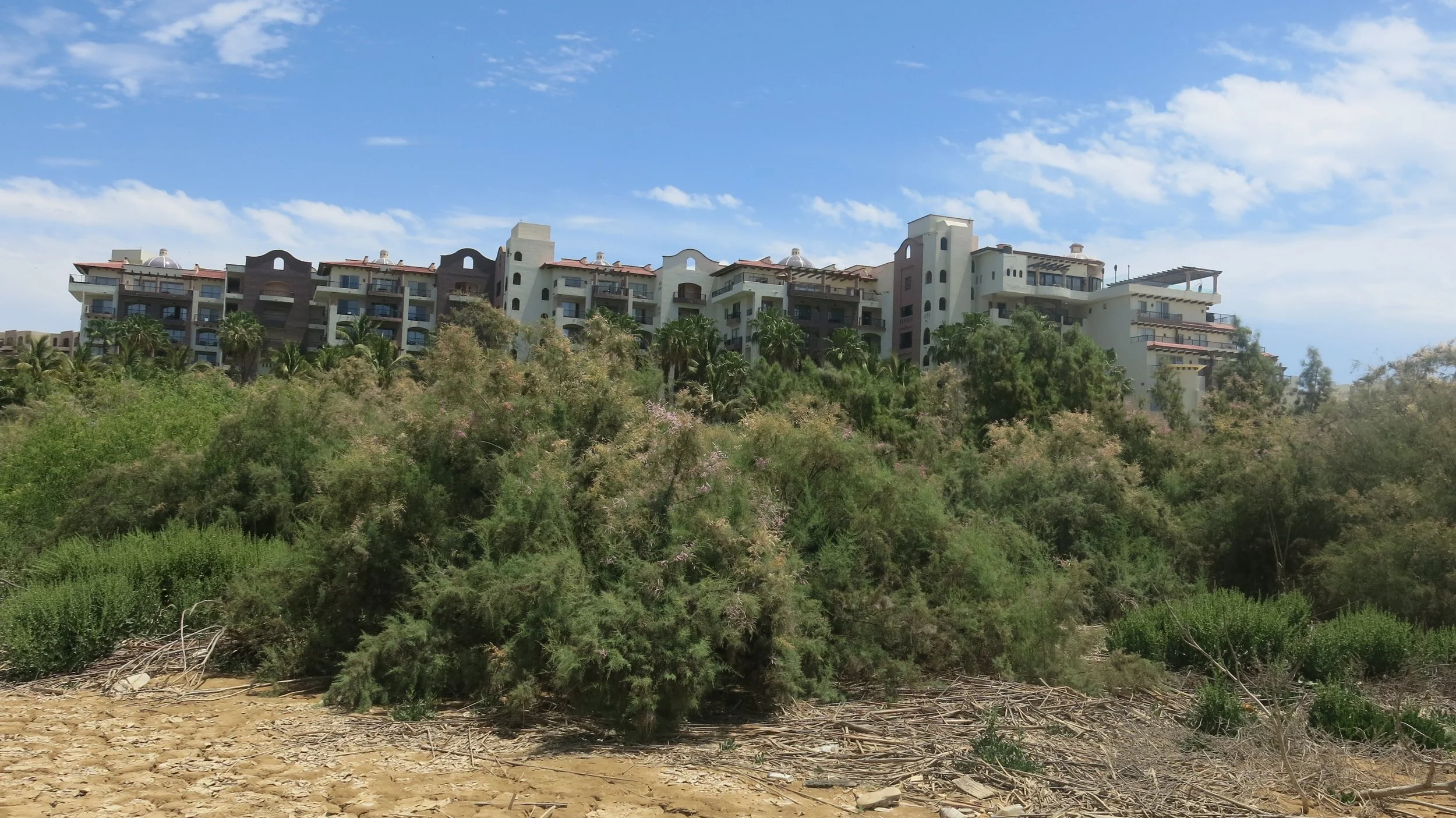
Old and new shelters standing side by side, a quiet contrast of past and present.
